Trusted by 7,000+ SEO professionals worldwide
The Internal Linking Specialist vs
the SEO Swiss Army Knife.
Rank Math is a powerful all-in-one SEO plugin — but internal linking is just one feature among dozens. It uses keyword-based pillar tagging with no bulk processing, no silo builder, and no anchor management. LinkBoss is built specifically for internal link architecture at scale with semantic AI, bulk 1,000 interlinking, and most features completely free.
3 Reasons SEOs Choose LinkBoss Over Rank Math
Don’t have time for the full breakdown? Here’s what matters most.
Specialist Focus vs Generalist Approach
Rank Math spreads its resources across meta tags, schema, sitemaps, redirects, and dozens of other features. Internal linking gets a basic sidebar widget. LinkBoss concentrates entirely on one problem — building smarter internal link architecture at scale.
Bulk Automation Rank Math Doesn’t Have
Rank Math requires you to insert every link manually, one post at a time, inside the editor. LinkBoss creates up to 1,000 contextual interlinks in a single click, with semantic anchor text variation, across your entire site simultaneously.
Most Features Are Completely Free
Site audits, orphan page detection, silo building, GSC analytics, ranking tracking, link health monitoring — all free. Credits only apply when auto-inserting links. Rank Math Pro at $59/year still gives you zero bulk processing.
The Truth About Pricing
Rank Math Pro costs $59/year for a generalist plugin where internal linking is still manual, one link at a time. LinkBoss lets you audit, analyze, build silos, and track rankings — completely free. You only pay when you auto-insert links.
Credits only for: Automatically inserting internal links into your content. You get 50 free credits on signup. No credit card required.
Launch plan — $99/year: 2,400 credits allocated at once. Need to switch sites? Delete your current site and add a different one — your credits stay (1 replacement/month on Launch).
No silo builder. No bulk interlinking. No anchor manager. No semantic matching. No site health scoring for links. No link flow visualization. No custom network clusters. No automated pillar identification — you must manually tag every pillar page yourself.
Limited to WordPress. Rank Math is a WordPress-only plugin. LinkBoss supports WordPress and Shopify from a single cloud dashboard.
Your $59/year buys an excellent all-in-one SEO plugin with schema, meta tags, and sitemaps — but internal linking remains a manual, one-at-a-time task regardless of which plan you choose.
Semantic AI vs Keyword-Based Pillar Tagging
This is the single biggest difference between these tools — and it affects every link suggestion you’ll ever see.
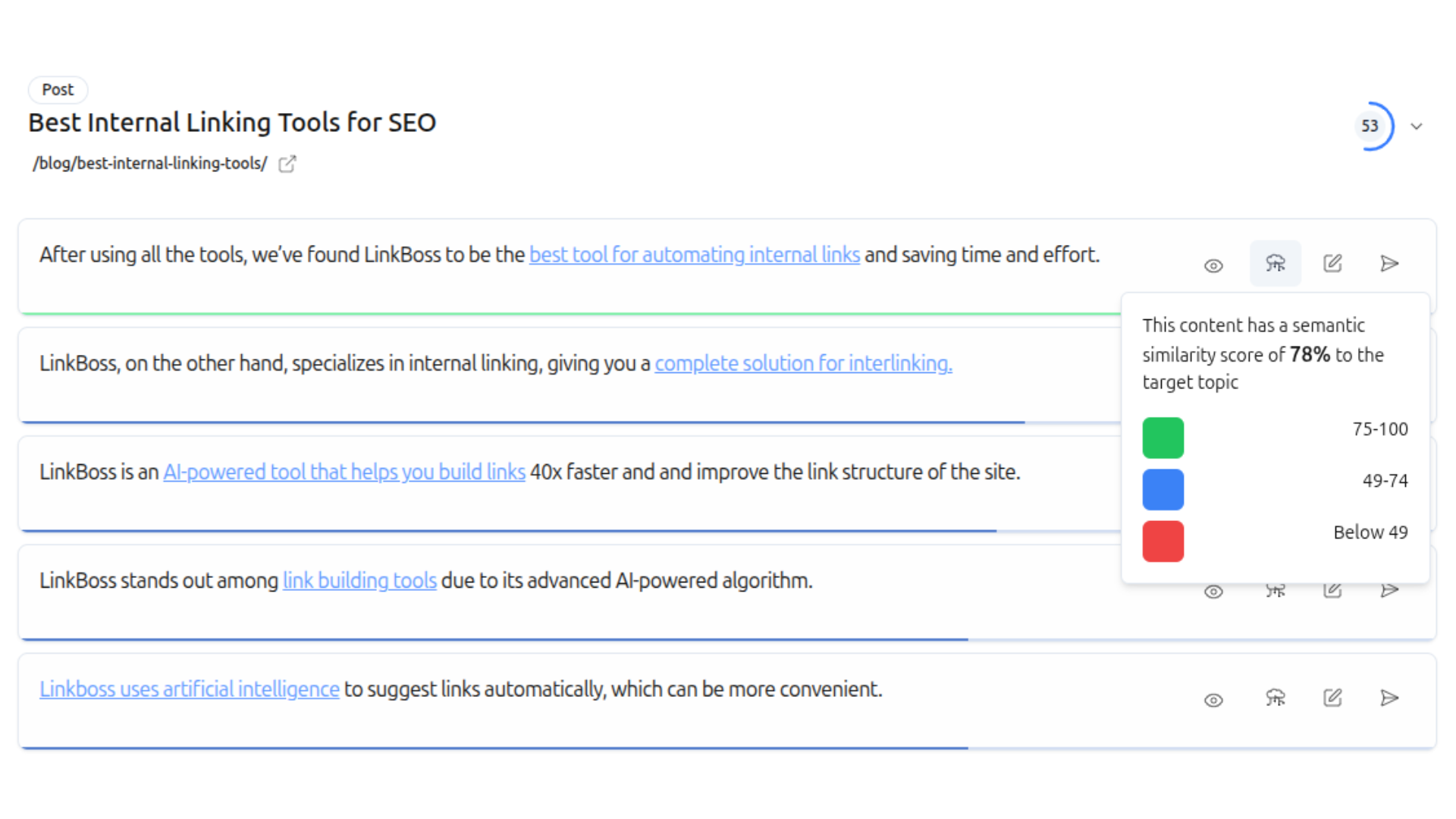
This means every link suggestion is contextually relevant, every anchor text varies naturally, and you never waste time reviewing irrelevant matches.
This means it cannot distinguish between “Credit Card Application” and “Credit Card Debt”. It sees the matching words and suggests a link regardless of context, often resulting in irrelevant connections that confuse search engine crawlers. You must manually tag every pillar page yourself.
Why One-by-One Linking Can’t Compete with Bulk Automation
Every post you publish creates new linking opportunities across your entire archive. On a 1,000-post site, processing this manually is mathematically impossible. The backlog compounds faster than any manual process can clear it.
What this means for your site:
• Bulk 1,000 interlinks in a single click
• Semantic AI handles contextual relevance matching
• Pillar content identification happens automatically
• Anchor text varies naturally across placements
• Older content gets retroactive link updates automatically
What this does to your site:
• Link graph reflects publication order, not content relevance
• Compounding backlog of unaddressed linking opportunities
• Old posts never receive retroactive link updates
• Manual pillar tagging requires constant maintenance
• Agency margins killed by per-site manual linking labor
1 Click > 1,000 Manual Edits
LinkBoss’s Bulk 2.0 creates up to 1,000 contextual interlinks in a single click with customizable anchor text options. On a 2,000-post site, that’s the difference between a 5-minute operation and weeks of manual editor work. Google’s documentation on crawl budget confirms that internal link structure directly affects how efficiently Googlebot discovers and prioritizes pages on large sites.
Manual Linking = Structural Stagnation
On a 500-post site with Rank Math, working through your link architecture manually takes days. On 2,000+ posts, it takes weeks. Every new post you publish instantly adds to the backlog. The result is a link graph shaped by editorial availability rather than content strategy — and it degrades with every article you publish.
6 Features Rank Math Does Not Have
Beyond the core AI difference, LinkBoss includes a complete internal linking toolkit that Rank Math simply does not offer — at any price tier.
Bulk 1,000 Interlinking
Create up to 1,000 contextual internal links across your entire site in a single click. Rank Math has zero bulk linking capability — every link is manual.
Semantic Silo Builder
Build authoritative topic clusters with 4 proven silo models — Reverse, Priority, Serial, and Hybrid Circle — deployed with one click. Rank Math’s Pillar Content feature is just manual tagging.
Anchor Text Manager
See exactly how your anchor texts are distributed across the entire site. Find cannibalization issues and optimize for maximum SEO impact. Rank Math uses the post title as default anchor text.
Interactive Site Visualizer
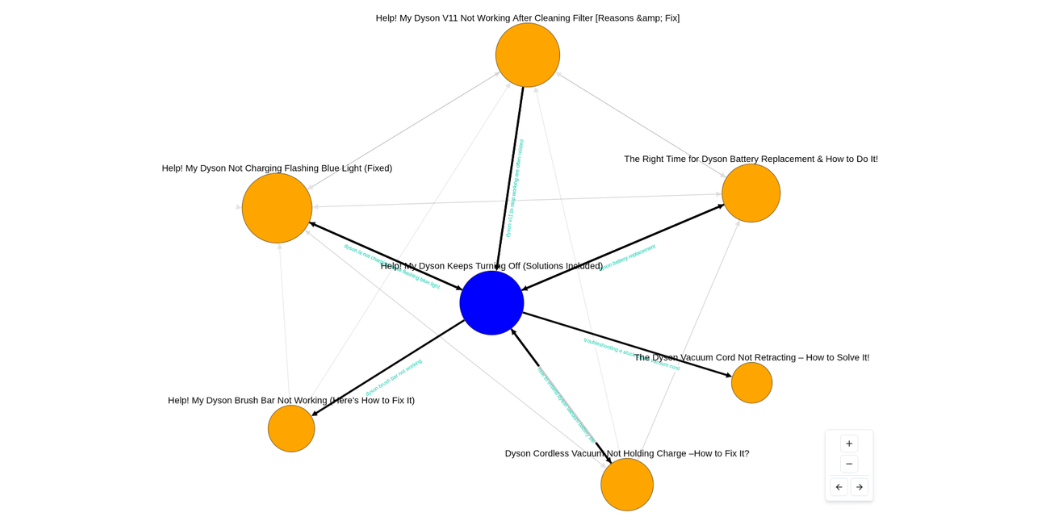
See your entire internal linking structure as an interactive network map. Spot isolated clusters, identify linking gaps, and understand how pages connect at a glance.
Multi-Site Cloud Dashboard
Manage all your websites from a single cloud-based dashboard. Rank Math requires you to log into each WordPress site individually.
Smart Paragraph Generator
When your content lacks a natural place to insert a link, LinkBoss uses AI to write a contextually relevant sentence to house the anchor text seamlessly.
LinkBoss Features — Up Close
Every feature designed to help you build a stronger, better-connected site.
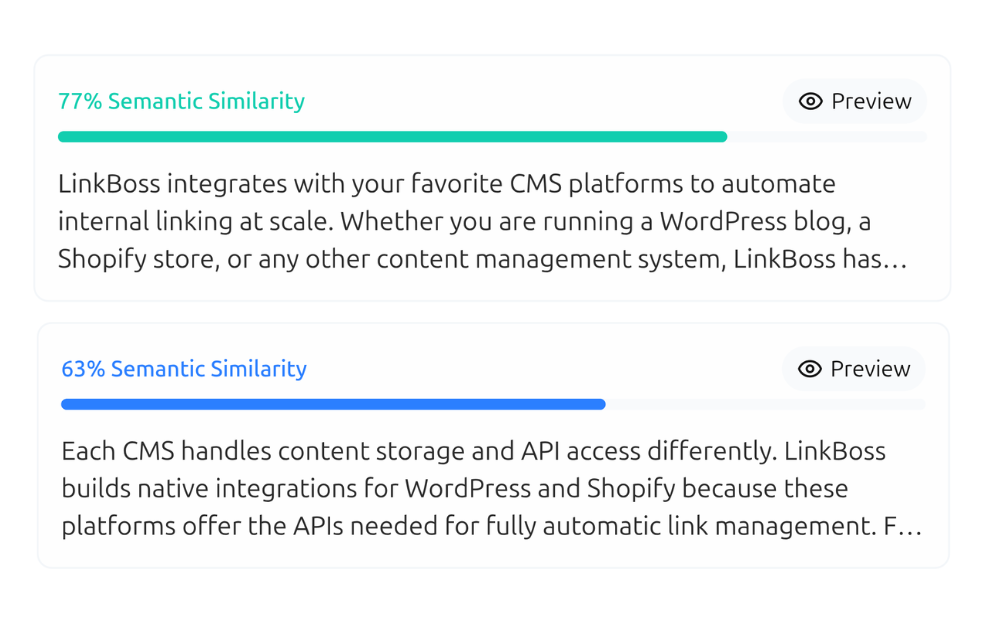
Contextual Semantic Interlinking
LinkBoss doesn’t just match keywords — it reads your content like a human would. Using NLP and semantic analysis, it understands the meaning of every sentence and finds the most relevant pages to link to.
- Understands context — knows “Apple” the fruit vs Apple the company
- Suggests anchor text that reads naturally in your sentence
- Relevancy scores for every link suggestion
- Smart link generator creates relevant paragraphs with anchor text when needed
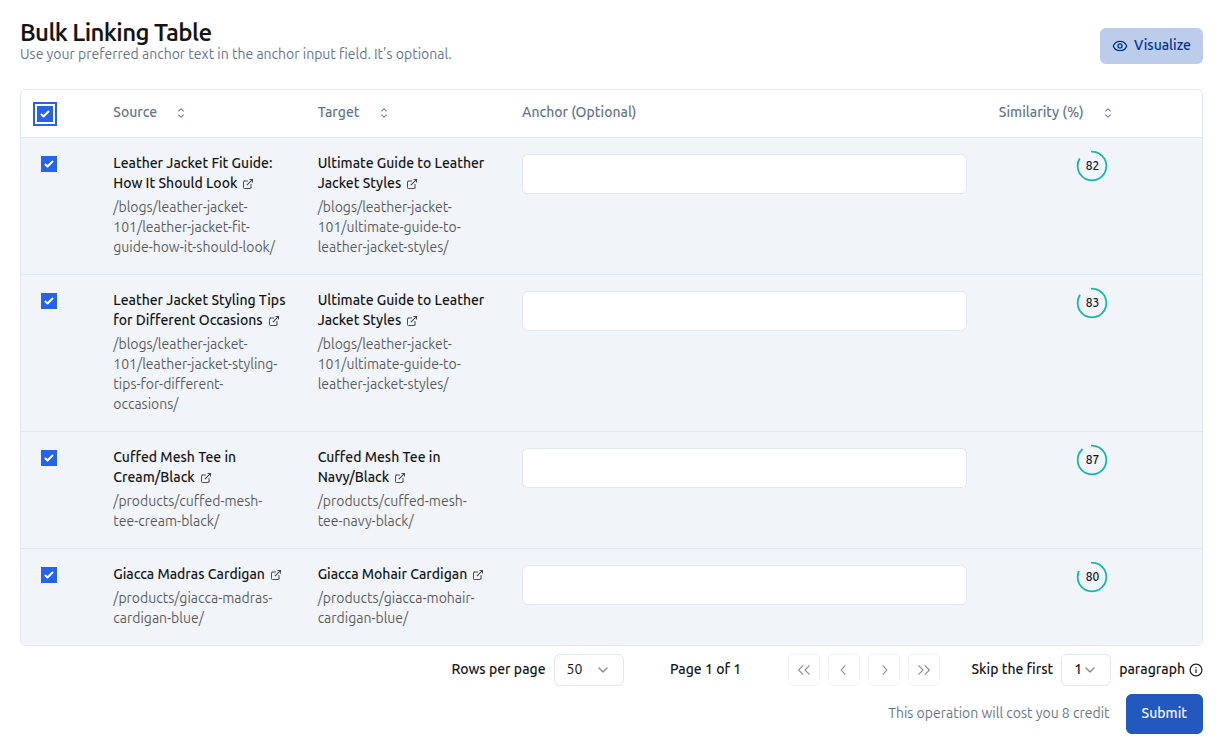
Bulk Auto Interlinking — 1,000 Links in One Click
Got a site with thousands of pages? Manually building internal links is not an option. LinkBoss’s Bulk 2.0 tool creates up to 1,000 contextual interlinks in a single click — with customizable anchor text options.
- Create up to 1,000 interlinks with one click
- Customize anchor text preferences and filters
- Filter by category, post type, or custom criteria
- Perfect for large-scale sites and content migrations
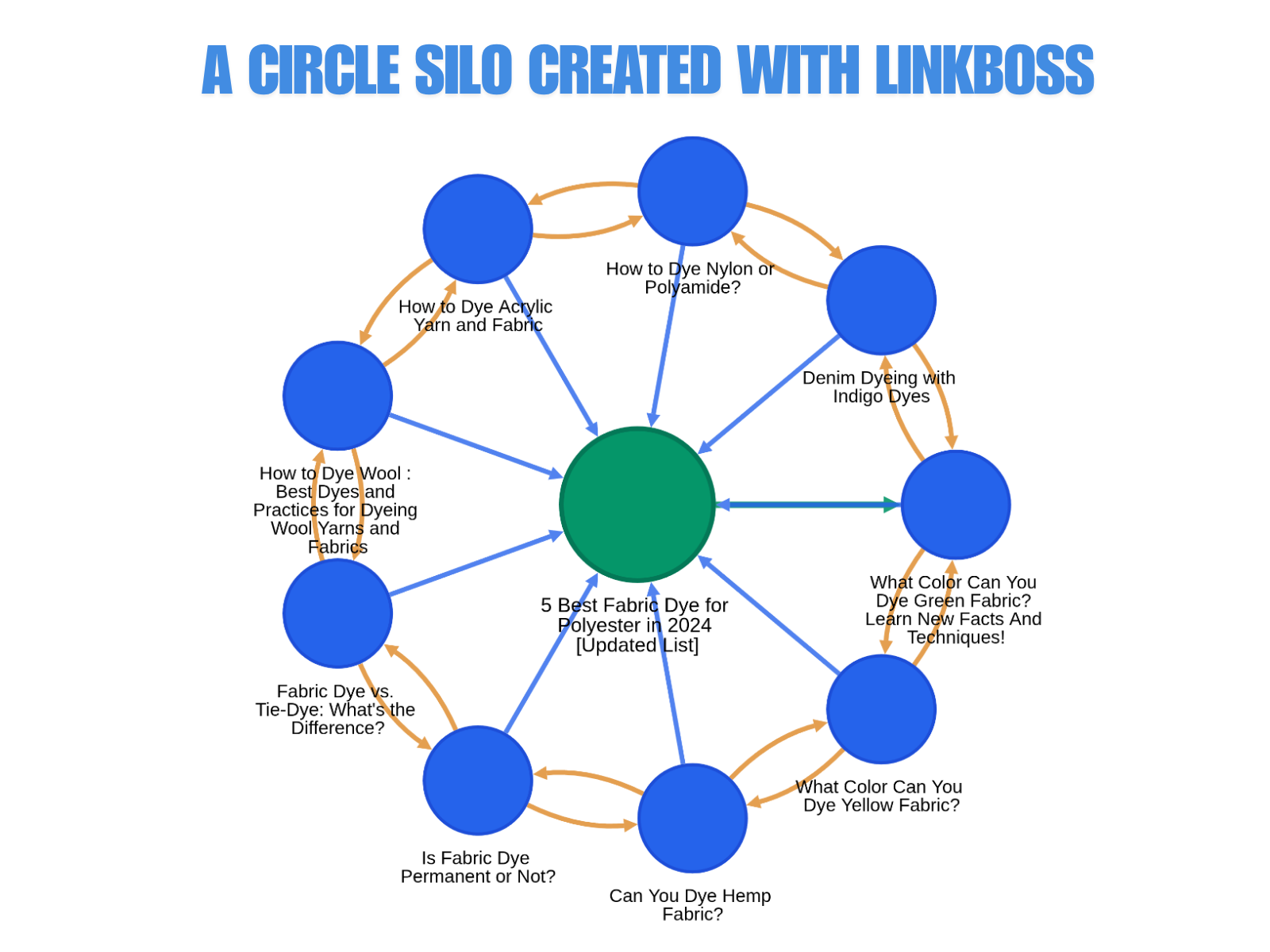
Semantic Silo Builder
Build authoritative topic clusters with structured internal linking. Choose from 4 proven silo models — Reverse Silo, Priority Silo, Serial Silo, or Hybrid Circle Silo — and deploy with one click using Boss Mode.
- Reverse Silo — push authority up to pillar pages
- Priority Silo — concentrate link juice on high-value pages
- Serial Silo — chain pages in a topical sequence
- Hybrid Circle Silo — combine strategies for maximum coverage
- Visualize your silo structure in real time
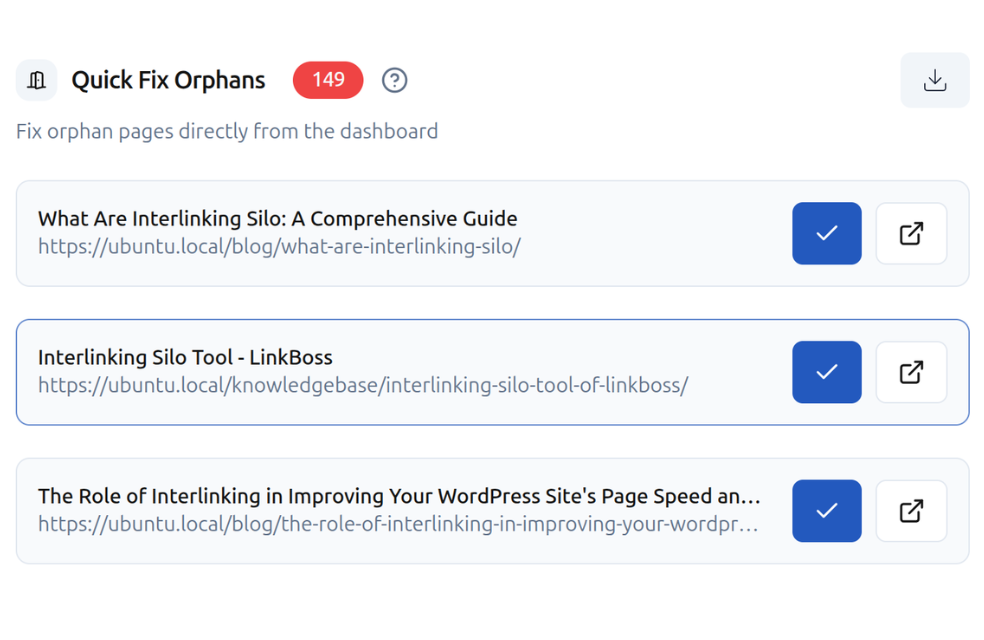
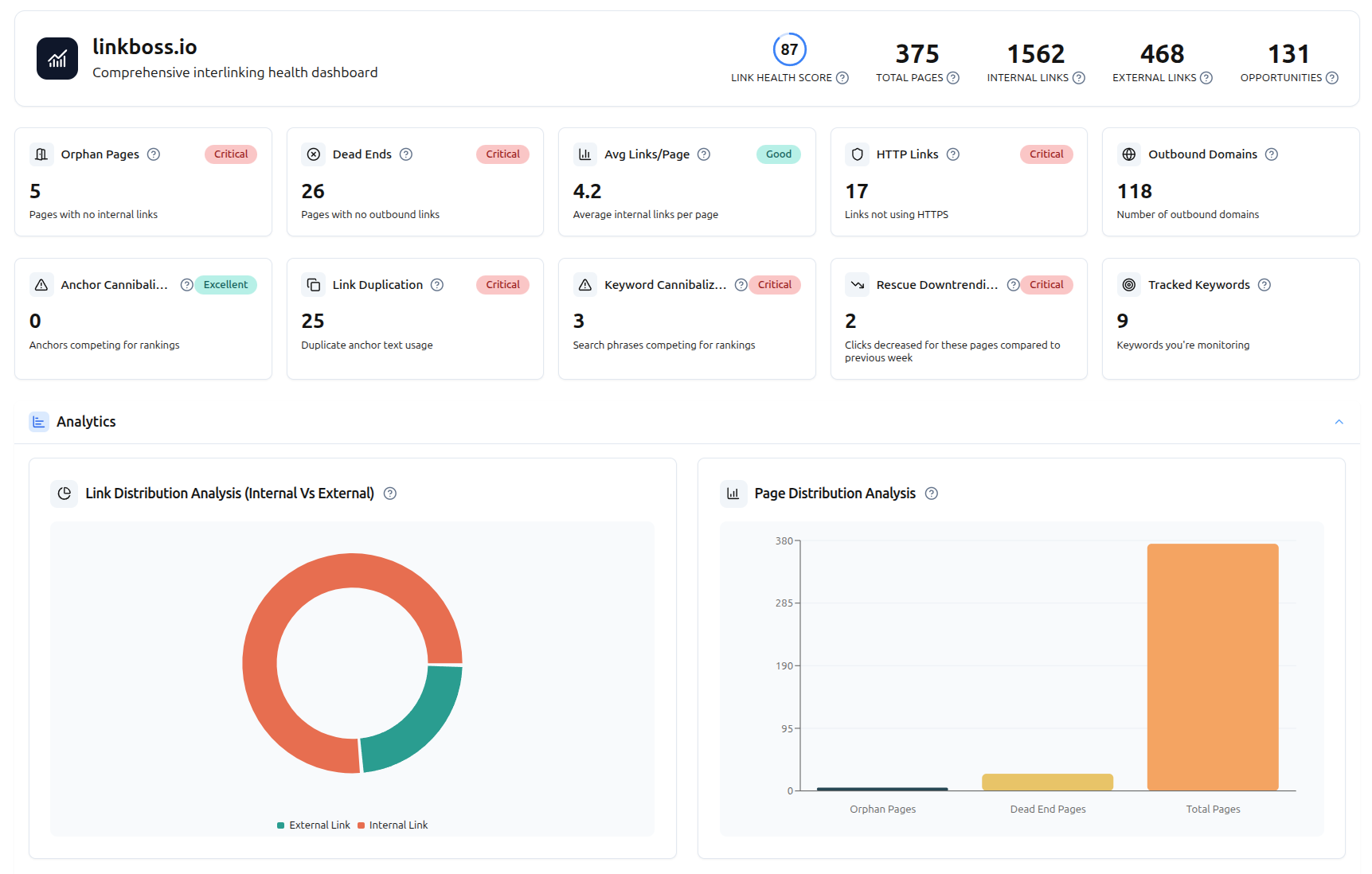
Link Health Monitor & Site Audit
Get a complete health score for your entire site’s internal linking. Detect every orphan page, dead-end page, link duplication issue, and anchor cannibalization problem — all for free.
- Full site health score & audit dashboard
- Orphan page detection (pages with zero incoming links)
- Dead-end page detection (pages with no outbound links)
- Link duplication & anchor cannibalization checker
- HTTP/HTTPS link audit & outbound domain tracking
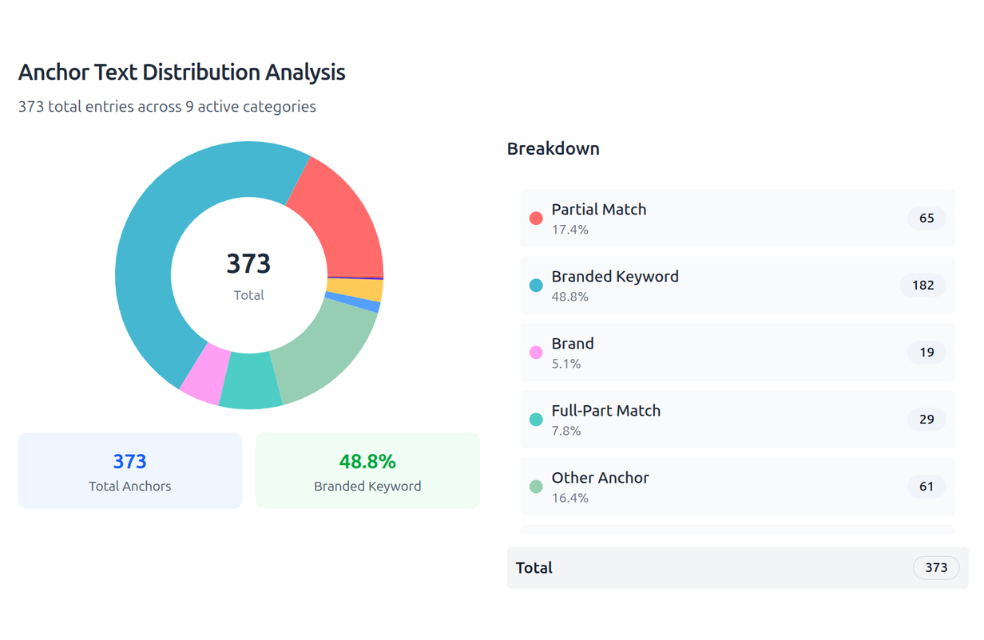
Smart Anchor Text Optimization
See exactly how your anchor texts are distributed across the entire site. Find cannibalization issues where the same anchor targets different pages, and optimize for maximum SEO impact.
- Complete anchor text distribution overview
- Cannibalization detection — same anchor, different targets
- Edit or delete anchors directly from the dashboard
- GSC-powered anchor suggestions based on high-impression queries
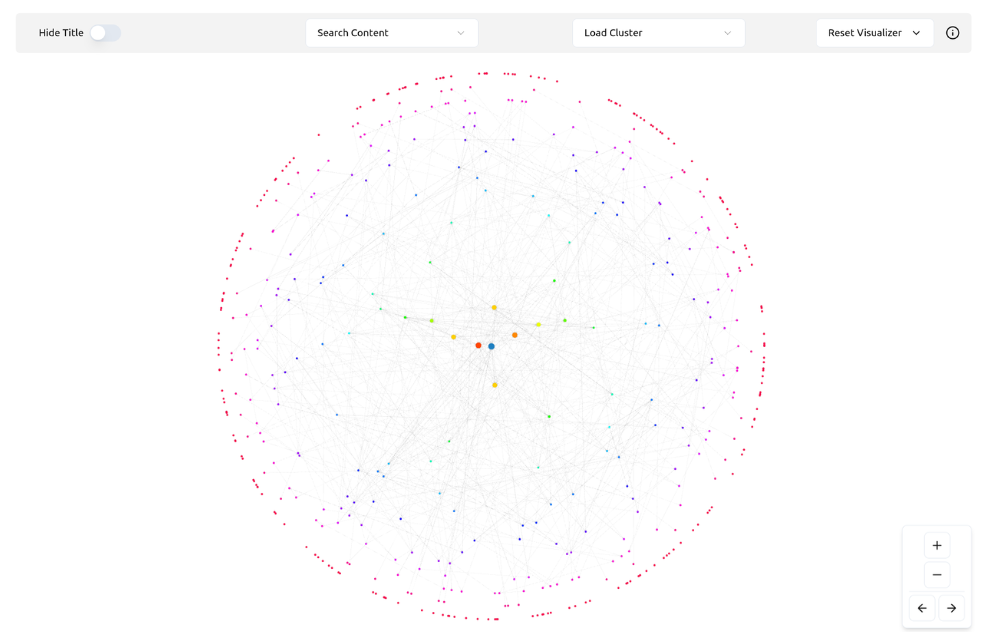
Interactive Site Visualizer
See your entire internal linking structure as an interactive network map. Understand how pages connect, spot gaps in your linking strategy, and identify isolated content clusters at a glance.
- Full interactive network map of your site
- Visualize how every page is interconnected
- Spot isolated content clusters instantly
- Identify linking gaps and opportunities visually
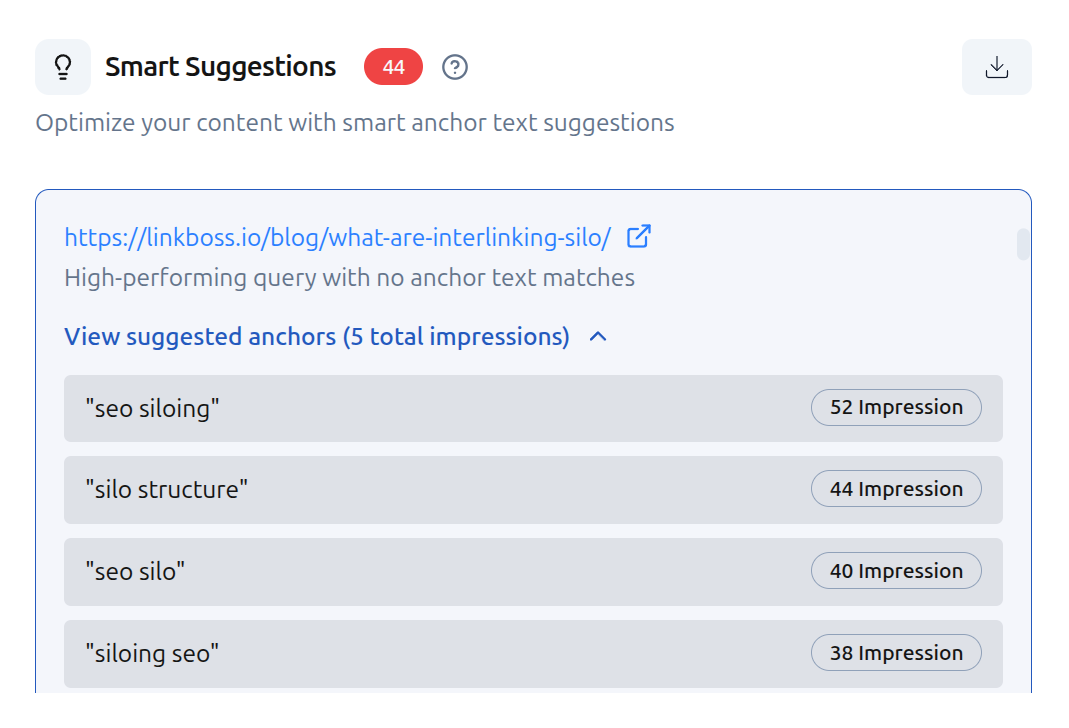
GSC-Powered Analytics Dashboard
Connect Google Search Console and unlock powerful analytics — track top keywords, monitor ranking movements, discover new keyword opportunities, and get alerts for downtrending pages — all completely free.
- Top performing keywords with impressions, clicks, position & CTR
- Week-over-week ranking movement tracking
- New keyword discovery from the past week
- Downtrending page alerts — rescue pages before they lose traffic
- Keyword cannibalization checker
Side-by-Side Feature Comparison
Everything that matters for internal linking at scale — compared directly.
| Feature | LinkBoss | Rank Math |
|---|---|---|
| Primary Function | Internal linking automation | All-in-one WordPress SEO |
| Linking Method | Semantic AI (NLP) | Lexical keyword matching |
| Bulk Linking | Up to 1,000 links/click | ❌ No (one link at a time) |
| Pillar Identification | Automated via AI | Manual tagging required |
| Silo Builder | 4 preset types + Boss Mode | ❌ No |
| Anchor Text Manager | Full distribution + cannibalization | ❌ No |
| Anchor Text Variation | Automated semantic variation | ❌ Uses post title only |
| Site Health Audit | Free — full dashboard | ❌ No |
| Orphan Page Detection | Free | ❌ No |
| Site Visualizer | Interactive network map | ❌ No |
| GSC Analytics | Free — ranking tracking, alerts | Yes (strong) |
| Schema Markup | Not included | Comprehensive suite |
| Meta Tag Management | Not included | Full suite |
| Multi-Site Management | Cloud dashboard | ❌ Per-site login |
| CMS Support | WordPress + Shopify | WordPress only |
| Pricing | Free tier + $99/yr | Free + Pro $59/yr |
What You Get for $0 on LinkBoss
Most of LinkBoss is completely free. All auditing, analytics, silo building, and reporting features require no credits and no payment.
Site Health & Audit
- Site health score & full audit dashboard
- Orphan page detection
- Dead-end page detection
- Link duplication detection
- Anchor cannibalization checker
- Anchor text distribution
- Link flow score per page
- HTTP/HTTPS link audit
- Outbound domain tracking
- Full site structure visualization
GSC-Powered Analytics
- Top performing keywords (impressions, clicks, position, CTR)
- Top performing pages by position
- Week-over-week ranking movement tracking
- New keyword discovery (last week)
- Downtrending page alerts
- Keyword cannibalization checker
- Tracked keyword monitoring
- Anchor text suggestions from high-impression queries
Silo Building & Structure
- All silo preset types (Reverse, Priority, Serial, Hybrid Circle)
- One-click silo network builder
- Silo structure visualization
- Anchor text distribution management
Credits are only used for automatically inserting internal links into your content. You get 50 free credits on signup. No credit card required.
Up and Running in Under 5 Minutes
Install a lightweight WordPress plugin, connect it to your LinkBoss dashboard, and let AI analyze everything. Setup takes about 5 minutes.
Install the Plugin
Go to Plugins → Add New in your WordPress dashboard, search for “LinkBoss”, and activate it. That’s it.
Connect & Sync
Add your site in the LinkBoss dashboard, copy the API key, paste it into the plugin settings, and hit Sync Now. Your content syncs in seconds.
Get Your Free Audit
See your site health score, orphan pages, dead-end pages, link duplication, anchor cannibalization — all at $0 cost.
Build Links & Grow
Use the silo builder, bulk interlinking, or individual suggestions. Track rankings with GSC analytics, get downtrending alerts, and optimize anchors — all free.
Simple, Transparent Pricing
Most features are free. Credits only apply when auto-inserting links. Start free, scale when ready.
- Full site health audit & dashboard
- Orphan & dead-end page detection
- Link duplication & anchor audit
- GSC-powered keyword analytics
- Week-over-week ranking tracking
- Downtrending page alerts
- All silo builder tools & presets
- Site visualizer
- 2,400 credits allocated at once
- Delete site & replace monthly
- WordPress + Shopify support
No credit card required to start
- Everything in Free
- 3 sites from one dashboard
- 1,000 credits per month
- Bulk interlinking (up to 1,000 links)
- Silo builder with Boss Mode
- Custom network builder
- Smart anchor optimization
- Smart paragraph generator
- Inbound tool with relevancy scores
- Links stay permanent
No credit card required to start
- Meta tag optimization
- Schema markup management
- XML sitemap generation
- Google Search Console integration
- 301 redirect management
- ❌ No bulk interlinking
- ❌ No silo builder
- ❌ No anchor manager
- ❌ No site health audit
- ❌ No site visualizer
- ❌ WordPress only
Excellent SEO plugin • Not a linking tool
Setting the Record Straight
Competitor comparison pages are marketing, not facts. Here’s the truth behind common claims.
“Rank Math’s pillar content system is sufficient for internal linking”
“Rank Math handles internal linking adequately for most sites”
“Rank Math’s GSC integration covers what LinkBoss analytics does”
“You don’t need a separate tool — Rank Math does everything”
Frequently Asked Questions
Can I use LinkBoss and Rank Math together?
What is the minimum site size where LinkBoss outperforms Rank Math?
Is LinkBoss really free?
Credits are only used when you automatically insert internal links into your content. You get 50 free credits when you sign up. No credit card required.
How does LinkBoss’s semantic AI differ from Rank Math’s keyword matching?
Does LinkBoss support Shopify?
Stop Limiting Your Link Strategy
to One Post at a Time.
7,000+ SEO professionals trust LinkBoss for smarter, contextual internal linking at scale. Audit your entire site, build silo networks, track rankings with GSC analytics — all for $0. Start free today.